⁠Right perspective on temptations – James 1:13-17

This sermon on James 1 explores the root of temptation, explaining that sin originates from human lust rather than from God. It contrasts our fallen, easily enticed nature with God’s unchanging character as the Father of lights. Highlighting Christ’s sinlessness and believers as firstfruits, it encourages standing firm through trials.

Right Perspective on Trials – James 1:2-12

This verse-by-verse exposition of James 1:2–12 explores the divine purpose behind Christian trials. Moving beyond worldly perspectives, it reveals how unexpected, diverse testing refines our faith and builds Christlike endurance. By seeking God’s liberal wisdom in faith, believers are transformed into spiritual maturity, ultimately receiving the eternal crown of life.

Introduction to James

This sermon provides an introductory study of the Epistle of James, focusing on the author’s identity as the Lord’s brother and his profound transformation from skeptic to Jerusalem Church leader. It explores his humility as a “slave” of Christ and addresses his guidance to scattered Jewish Christian believers facing worldly trials.

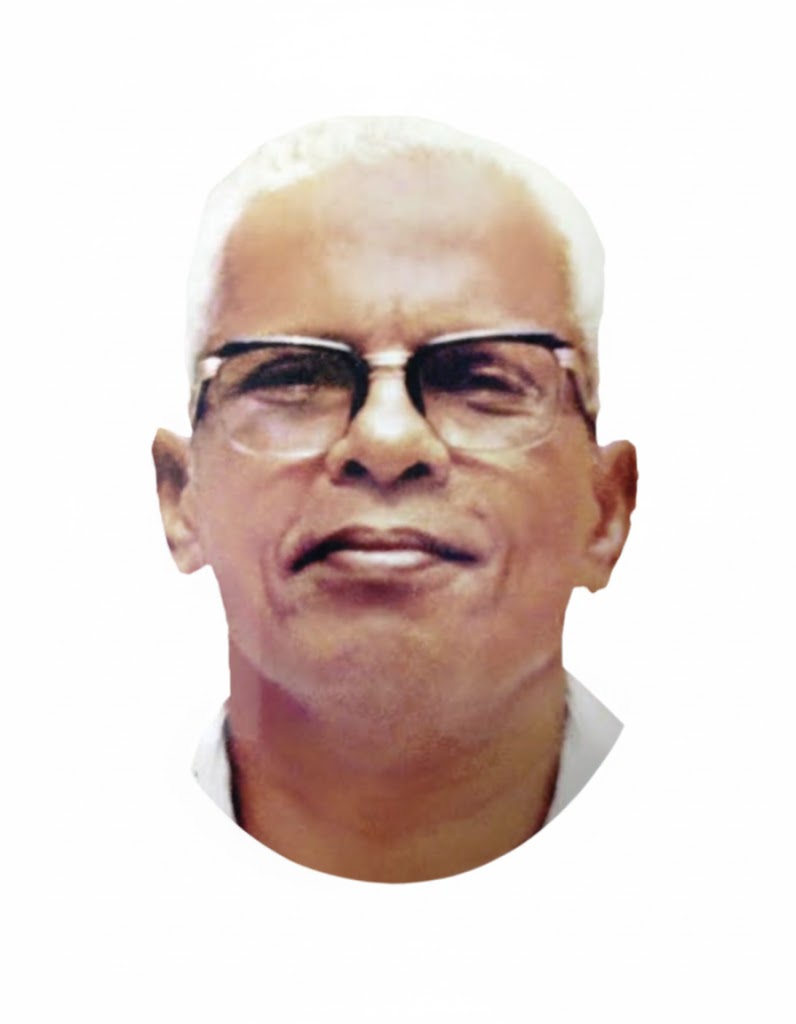
K M Paul: An Evangelist from Odisha

K M Paul (1959–2014) was a pioneering Brethren evangelist who dedicated 29 years to rural ministry in Odisha’s Koraput district. Despite family opposition, he established multiple assemblies in Nandapur and Sunabeda. Known for his “Christ crucified” message, he focused on village outreach, Bible teaching, and translating Christian literature into the Odia language.

Psalm 51: 18-19: Conclusion

In Psalm 51, David’s plea for mercy shifts from personal repentance to a vision of communal restoration. Beyond forgiveness, the sermon explores “God’s good pleasure”—His infinite power to rebuild the walls of Jerusalem and restore the broken soul to a state more glorious and beautiful than it was before the fall.

Psalm 51:13-17: Bill of Grace

The Sermon explores the climax of Psalm 51, where David confronts the “bill of grace.” Moving from a “garage of repairs” to the reality of restoration, it highlights that religious rituals and words cannot pay for sin. Ultimately, the only sacrifice God desires is a broken spirit and a contrite heart.